
Recall the excitement of rummling through a conference to find what treasures you scored? Perhaps it was a cup you started using every day or a pen that lasted eternity. These things, including advertising promotional products, are a foundation of marketing for a reason. Though they seem straightforward, let's draw back the curtains to see why physical tokens still have value in our digital first age.
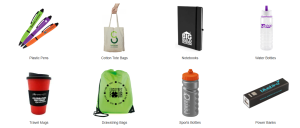
Businesses want to be top-of- mind. Logos on useful products simplify things. Imagine this: your workstation has a mousepad stamped with a corporate brand. Every time your hand dances over it, subconscious brand reinforcement at work. There is quiet, efficient repetition here. Fun fact: The Advertising Specialty Institute notes that 85% of respondents recall the advertisement who sent them a shirt or cap. That is stickiness most digital advertising only dream about.
Promotional stuff provides instant physical value—something online ads cannot accomplish. Freebies give a physical delight. Those that get them have a soft place for the donor. People are 52% more inclined to engage in commerce with companies offering promotional items, according Harvard commerce Review. Reciprocity is psychology not only a commercial idea.
Let us discuss expenses. You might believe that giving gifts quickly becomes costly. Promotional things surprisingly can be reasonably priced. Think about expense relative to impression. Seen hundreds of times, one $2 reusable tote bag will last years. Price next to an ephemeral social media ad. Physical objects start to serve as constant reminders long after a campaign ends.
We are not simply talking about stress balls and pens. Here, innovation has jumped great distances. These days, wireless chargers, environmentally friendly notebooks, and seed packets that brighten workplace windows abound. Good marketers match their promo selections with their brand. Offering branded wooden sporks, an organic grocery communicates more than simply a freebie.
Utility rule first. Think of phone stands or USB drives—an item that solves a problem—tends to stay. Usually hand to hand, home to office, a company's present multiplies exposure. Every object seems to become a small traveling billboard. Studies corroborate this: your brand lingers longer in someone's memory the longer an item is kept.
Additionally there is a trust element. Particularly good quality tangible objects create confidence. They advise a brand to invest in its audience and, therefore, in its reputation. Surely you wouldn't hand a stranger your logo on anything shoddy? The consideration of product selection speaks to your business philosophy.