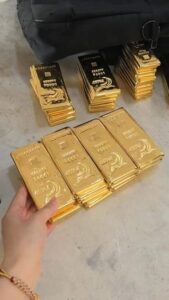
Let's discuss about 50gm gold price. You might have gone to your favorite jewelry store or looked online and almost spilled your tea. The numbers keep going up, down, and then back up again. Some people say that the price graph dances better than the participants on reality shows. Gold will always be attractive. But what is really causing these mood swings?
This is a big deal on the world stage. Changes in tariffs or political unrest in far-off countries can have effects on other continents. Your pocketbook feels the ripples, too, like a pebble dropped in a pond. The valuations of currencies are important. Think of the rupee, dollar, and euro as being in a fight. The winner: gold prices change, sometimes a lot.
Another character in this crazy narrative is supply and demand. Everyone wants a piece of that glossy pie around the holidays or wedding months. When demand goes up, so are the prices of gold and balloons. Prices won't stay the same if a central bank decides to hoard more gold. They'll get up, stretch, and start moving. Sometimes miners have to deal with strikes or bad weather that stops work. The price goes increase again as output goes down and gold becomes more valuable.
Don't forget about inflation. Every year, the price of your morning coffee goes up a little bit. Like a wise grandparent, gold holds its worth and shrugs off inflation. That's why a lot of people rush to gold as a safety blanket when things go shaky. There are a lot of short stories of families who invested years ago and now have a lot of money in their safes.
It seems like looking through a keyhole to watch the market. Speculators, who are quick to make deals, come in, purchase a lot, and go just as quickly. A single rumor can make everyone rush in or leave at times. There are gold bars instead of chairs, which is a little like musical chairs.
Technology is also involved. Electronic trading, quick news, and price alerts that go off in everyone's pocket make people react faster, sharper, and sometimes even in ways that are hard to foresee. No more waiting for the newspaper to come out tomorrow.
You might be thinking about giving someone a 50gm gold bar as a graduation gift or as an investment for a rainy day. Timing is hard to pin down. It can feel like chasing shadows as you wait for the "perfect" time. A trick? Don't just look at trends over days; look at them over months. Sometimes, buying things at different times can protect you from big changes. You can develop your own reserve little by little.
Keeping gold is like going on a short trip. Some people keep it at home by hiding it under mattresses, behind books, or in smart appliances. Some people trust banks. There are strange things and stories about each way that people often share over coffee.
So, the next time you look at 50gm gold price charts, remember that every change tells a narrative. World events, economics, feelings, and a little bit of luck—every gram tells a hundred little stories that are happening right now. And who knows? It's possible that your pick will turn into a story worth sharing.